
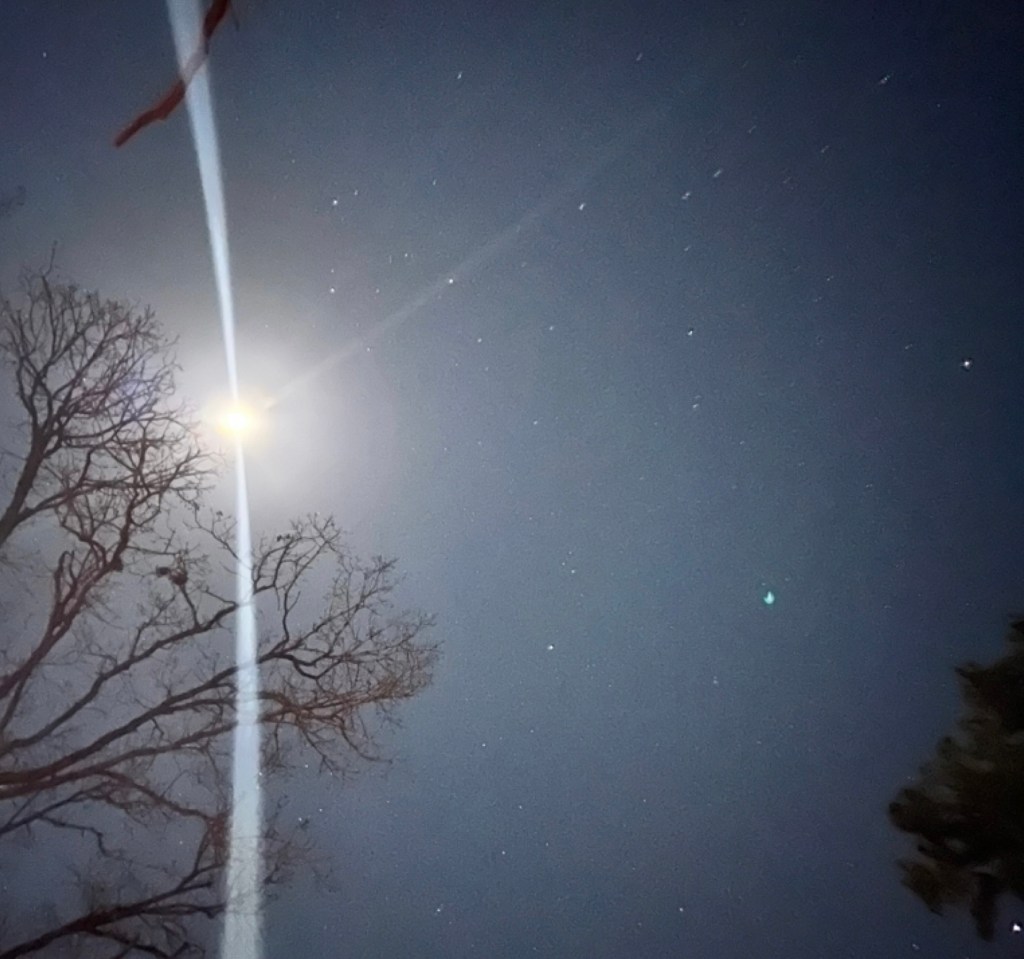
Few Christmas carols capture the awe, wonder, and weight of Christ’s incarnation like O Holy Night. It’s melody rises like a prayer; its lyrics proclaim the gospel with both beauty and power. While many sing it every December, few pause to consider the depth of worship embedded in each phrase.
The carol doesn’t merely recount a historical moment. It invites us into a personal encounter with Jesus, the Savior of the world, and calls our hearts to respond in worship, awe, and thanksgiving.
The Birth of a Carol
“O Holy Night” was written in 1847 by Placide Cappeau, a French poet, and set to music by Adolphe Adam. Cappeau was asked to compose a poem for a church celebration, and though he was not especially religious, God used his words to reveal profound spiritual truth.
The carol immediately struck a chord because it combined human longing, the reality of sin, and the glory of redemption into one hymn. Its lyrics celebrate the divine intervention of Christ into a fallen world, reminding us that Christmas is not merely a historical event but a present reality—Emmanuel, God with us.
Scipture at the Heart of the Song
From the very first line, O Holy Night draws on Scripture:
O holy night! The stars are brightly shining;
It is the night of our dear Savior’s birth.
Long lay the world in sin and error pining,
Till He appeared and the soul felt its worth.
Here we see the gospel compressed into a few lines: humanity, lost and longing, waits in the darkness until the appearance of the Savior. This echoes Isaiah 9:2, which proclaims:
The people walking in darkness have seen a great light;
on those living in a land of deep
darkness, a light has dawned.
Just as the psalmist celebrates God’s salvation in Psalm 96:2-3—“Sing to the Lord, bless His name; tell of His salvation from day to day. Declare His glory among the nations, His marvelous works among all peoples”—the carol calls us to recognize our need for a Savior and to respond in awe.
The Invitation to Worship
The most famos refrain of the carol is a direct call to action:
Fall on your knees!
O hear the angel voices!
O night divine, O night when Christ was born…
This is not simple imagery. It is a posture of worship. Scripture frequently calls God’s people to bow, kneel, and fall before Him (Psalm 95:6, Philippians 2:10). Here, the lyrics invite each singer, listener, and heart to do exactly that—to pause, recognize the glory of God entering the world, and respond in humility and awe.
Falling on our knees is both literal and spiritual; it symbolizes surrender, the awknowledgement that the King has come not only for the world at large but for each of us personally. It’s a posture that mirrors the shepherds in Luke 2:15-20, who, after hearing of Christ’s birth, went and found Him, then “returned, glorifying and praising God for all they had heard and seen.”
The Weight of Redemption
Looking back at the first verse, this is one of the carol’s most striking moments:
Long lay the world in sin and error pining,
Till He appeared and the soul felt its worth.
Romans 5:8 reminds us: “But God shows his love for us in that while we were still sinners, Christ died for us.” Christ didn’t wait for perfection or readiness—He enetered our world while we were still pining in darkness. The carol encapsulates that truth in poetry that moves hearts to recognize their own need for salvation.
The stanza also reminds us that Christmas is not only about joy but about hope found in redemption. It is a reminder that the arrival of Christ transform our lives: every person has worth because God has intervened personally in human history.
The Light Has Come
The imagery of light is woven throughout the carol:
The stars are brightly shining… Till He appeared…
This resonates deeply with John 1:4-5, 9:
In Him was life, and the life was the light of men. The light shines in the darkness, and the darkness has not overcome it.
Christmas reminds us that God’s light pierces the darkness of our sin, fears, and doubts. Just as the stars announced the Savior to the shepherds, the carol invites us to lift our eyes and recognize the light of Christ in the world today—in our circumstances, in our hearts, and in our dialy walk with Him.
The Joy of Salvation
TThe second verse shifts focus from the wonder of Christ’s birth to His teaching and the call to live out His message:
Truly He taught us to love one another;
His law is love and His gospel is peace.
Chains shall He break, for the slave is our brother;
And in His name all oppression shall cease.
Christ’s message centers on love, echoing His words in Matthew 22:37-40: to love God fully and to love our neighbors as ourselves. The verse reminds us that the incarnation brings not only joy in remembrance of His birth but also the ongoing work of redemption—breaking chains, bringing freedom to the oppressed, and establishing peace. This reflects Luke 4:18-19, where Jesus proclaims His mission to bring good news to the poor, release to captives, and liberty to the oppressed.
In this light, the carol calls every listener to participate in Christ’s kingdom. It echoes Galatians 3:28, where all distinctions fall away in Him, and invites us to live in love, mercy, and justice. Christmas, then, is not only celebration but action. It’s a reminder that Christ’s coming transforms hearts, relationships, and communities, inspiring a joy that flows outward in love and peace for all.
A Song That Leads to Awe
O Holy Night is not a casual song to hum along with on a December evening. It is a devotional experience set to music, guiding us through awe, reflection, and worship. Every lyric points to Christ: His arrival, His redemption, His glory, and His worth.
It calls us to:
- Awknowledge the reality of sin and our need for a Savior.
- Celebrate the glory of Christ’s birth, remembering that God. Himself stepped into our world.
- Fall in humble worship, responding in awe as creation, angels, and humanity do.
- Reflect on the redemption Christ, recognizing our own soul’s value in Him.
In singing or listening, we are invited not just to hear a story, but to enter into the holy night ourselves, letting its truth transform our hearts and lives.
 Her Pen, His Purpose
Leave a comment